ST. CHARLES COUNTY HISTORY

By Dorris Keeven-Franke

  • The Hanging of Reverend White

    Category: Person

    In 1838, Samuel Audrain emancipated his slave, Absalom White, making him a Free Black, as listed on the 1850 census. He’d purchased the old slave who had been born in Virginia, from Pierre Chouteau years before, and brought him to Missouri, without his wife and children. He didn’t free all of his slaves, only Absalom…

    Know all men that I Samuel W. Audrain Jr. In consideration for the fidelity of my negro slave named Absalom White do hereby liberate emancipate and forever set free

    The emancipation of Absalom White in 1838

    In 1850, Absalom was living in the city of St. Charles, a free black man, where he had bought property which was in Lot 5 of Nathan Boone’s survey, on today’s Madison Street. He’s to be found in the 1850 census, alone, 72 years old, and on the property that he had bought and built a house. In 1848 Absalom purchased a little four-year-old girl, his daughter who was named Emily. She cost Absalom $150 and was purchased from David Wells, a friend and neighbor of Samuel Audrain in Saint Paul, further west in St. Charles County. In April of 1851, Absalom would write his will…

    I give and bequeath unto my daughter Emily now aged about five years and to her heirs and assignees, my house and lot in which I now residemy daughter who belongs to me, after my death, I hereby liberate and set free…shall be placed with her Aunt Katy Ruland of St. Louis and educated by Susan Cummins ….

    Will of Absolom White, St. Charles County Circuit Court Records, also Ancestry St.Charles Wills Vol. 3-5

    In April of 1854 Absalom added a codicil to his will and assigned the care of his then 10-year-old daughter Emily to be by Marshall D. Fielding of St. Charles, and Darius Heald who lived near the recently founded village on the North Missouri Railroad named O’Fallon. Leaving instructions on how she is to be raised and taught to read the Scriptures of the Old and New Testament. Absalom can read and write. He’s a preacher man. At that time, what would later become the African Methodist Episcopal church had not been organized yet in St. Charles County. He was recognized as a man of the Gospel simply by his people.

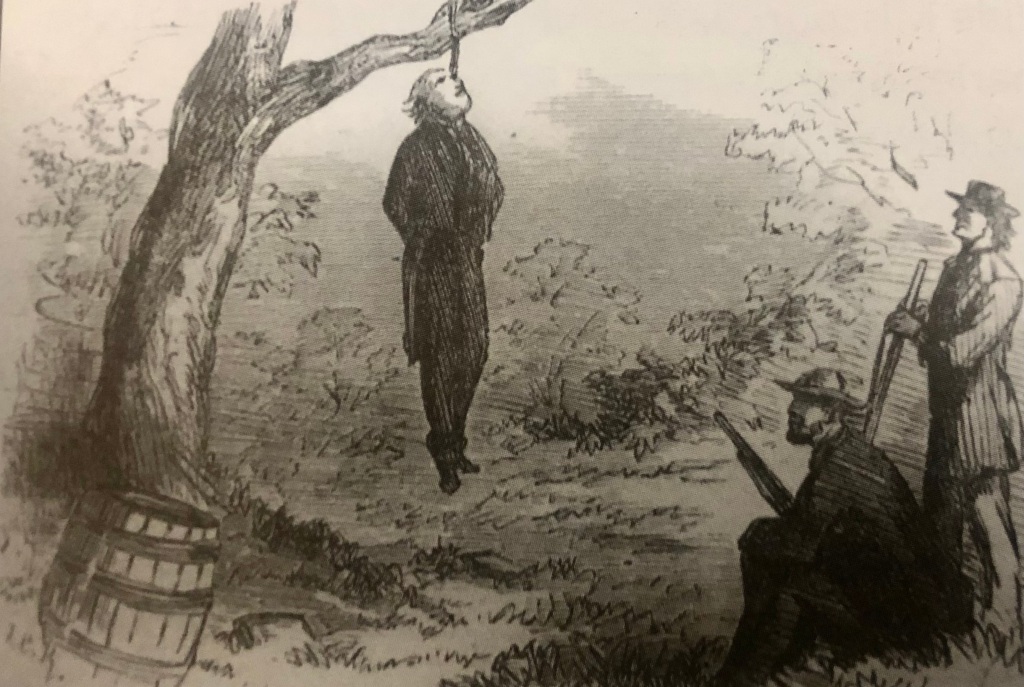
    Mr. White, a minister of the Gospel, was observed by a couple of secession spies talking with two negroes, on the road within five miles of St. Charles county, Missouri. They rushed up and seized him, bound him hand and foot; then taking him to an old stump of a tree, they produced a rope with a slip knot on it, and after tying one end of it to the tree, placed a barrel under Mr. White’s feet, and slipped the noose over his head. Mr. White here confessed that he had tried to get the negroes to run away. After he had said a prayer, the barrel was a kicked from under him, and he was left dangling between heaven and earth. …Mr. White was…always regarded by the people in the neighborhood as an abolitionist and had often been warned to leave…

    Absalom’s St. Charles funeral in May of 1854 was in the grand French Creole style, with a large procession with carriages. By 1860, Emily is a servant in Erastus Porter’s home in St. Charles, where there are three enslaved, a fifty year old mulatto male, a 17 year old female who has just had a baby born in January. Her property is in limbo as well, and despite the money owed to his estate and her, the property is often in jeopardy. Taxes get behind, even though money is owed to the estate. But there is ample funds to build a church!

    First African Methodist Episcopal Church built on 561 Madison Street in St. Charles, Missouri

    With the end of the Civil War comes new legislation, allowing former slaves to marry those that have lived as husband and wife, and Emily marries George Brown. She and George are married on April 6,1865, immediately after that law is enacted. In 1870, she and George have made their home of her father, raising their young family. They have five children, Cora born in 1862, David born in 1865, Absalom named for her father who was born 1866, Martha had come along in 1868, and little Julia is the youngest and born in 1870.
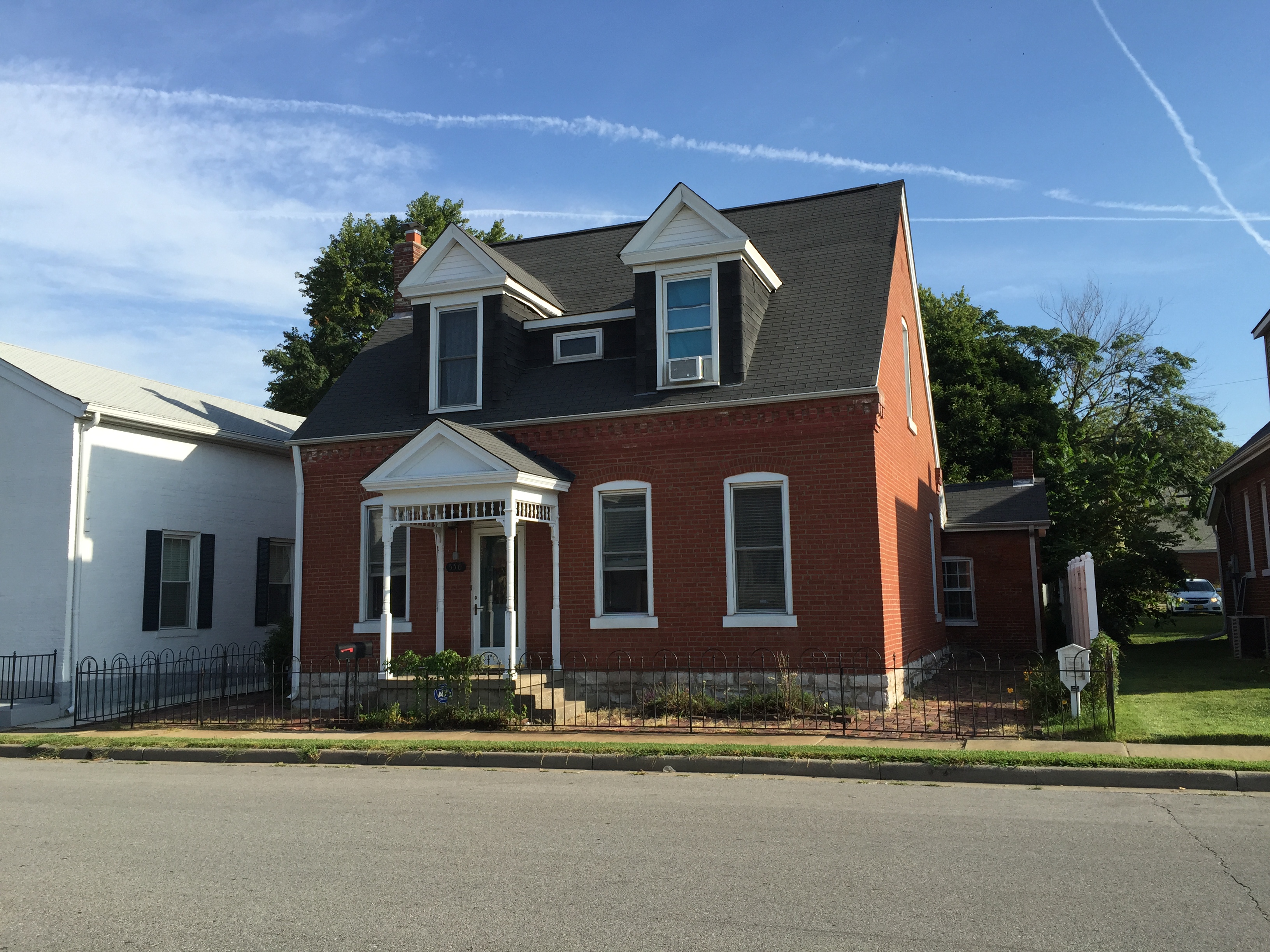
    House built by Absalom White in Saint Charles, Missouri. Photo by Dorris Keeven-Franke

    The Reverend Absalom White was a preacher man. When he passed there were ample funds for building the first A.M.E. Church, on Madison Street, next to his home in St. Charles. Soon after a new and larger church would be built nearby on Washington Street, named St. John A.M.E. Church, also known as “The friendliest Church in Town”.
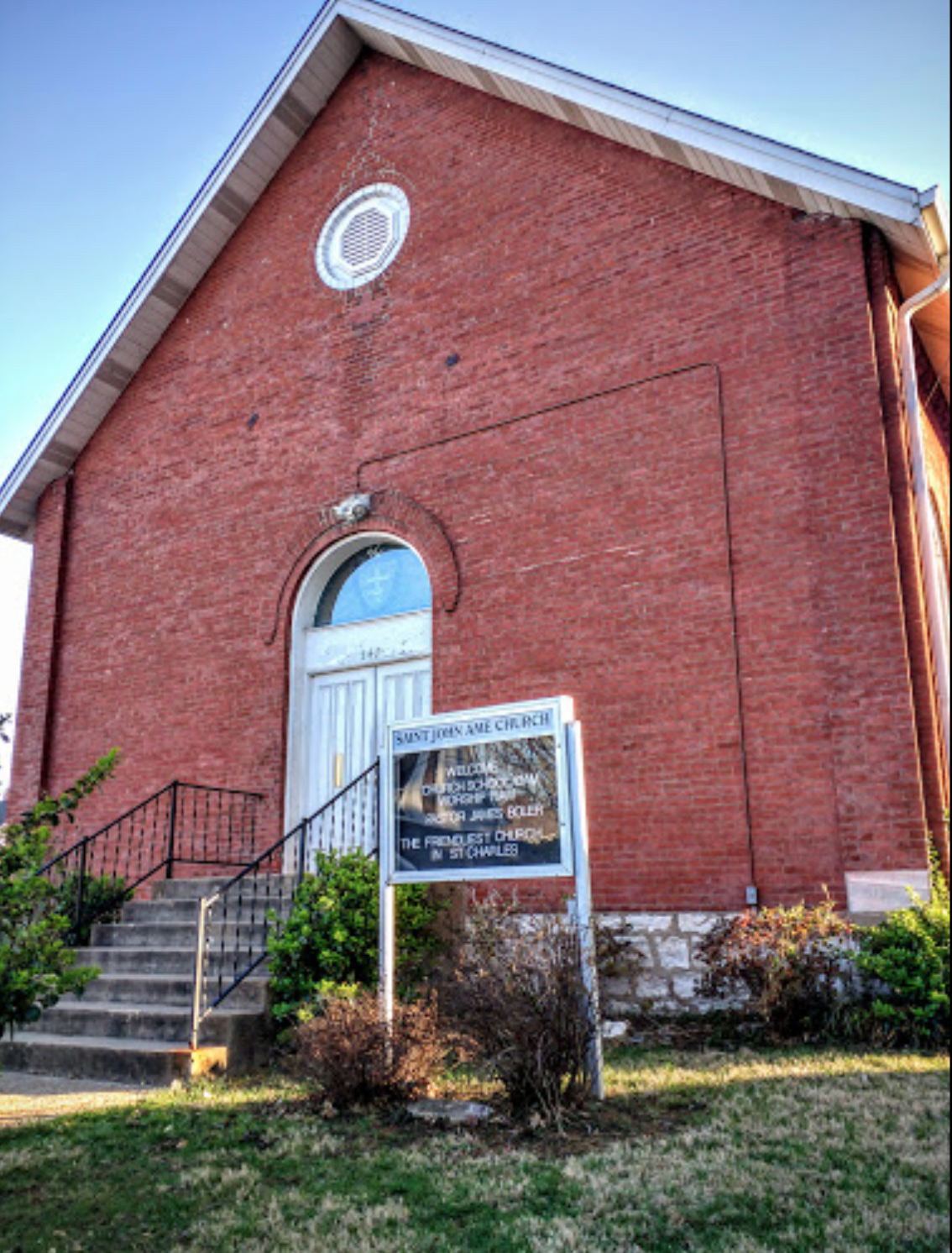
    St. John A.M.E. Church at 547 Washington Street in Saint Charles, Missouri. Photo by Dorris Keeven-Franke
    https://www.facebook.com/StJohnAME63301/?ref=page_internal

    To receive more stories of St. Charles County History like this you can subscribe for free…

  • JUNETEENTH

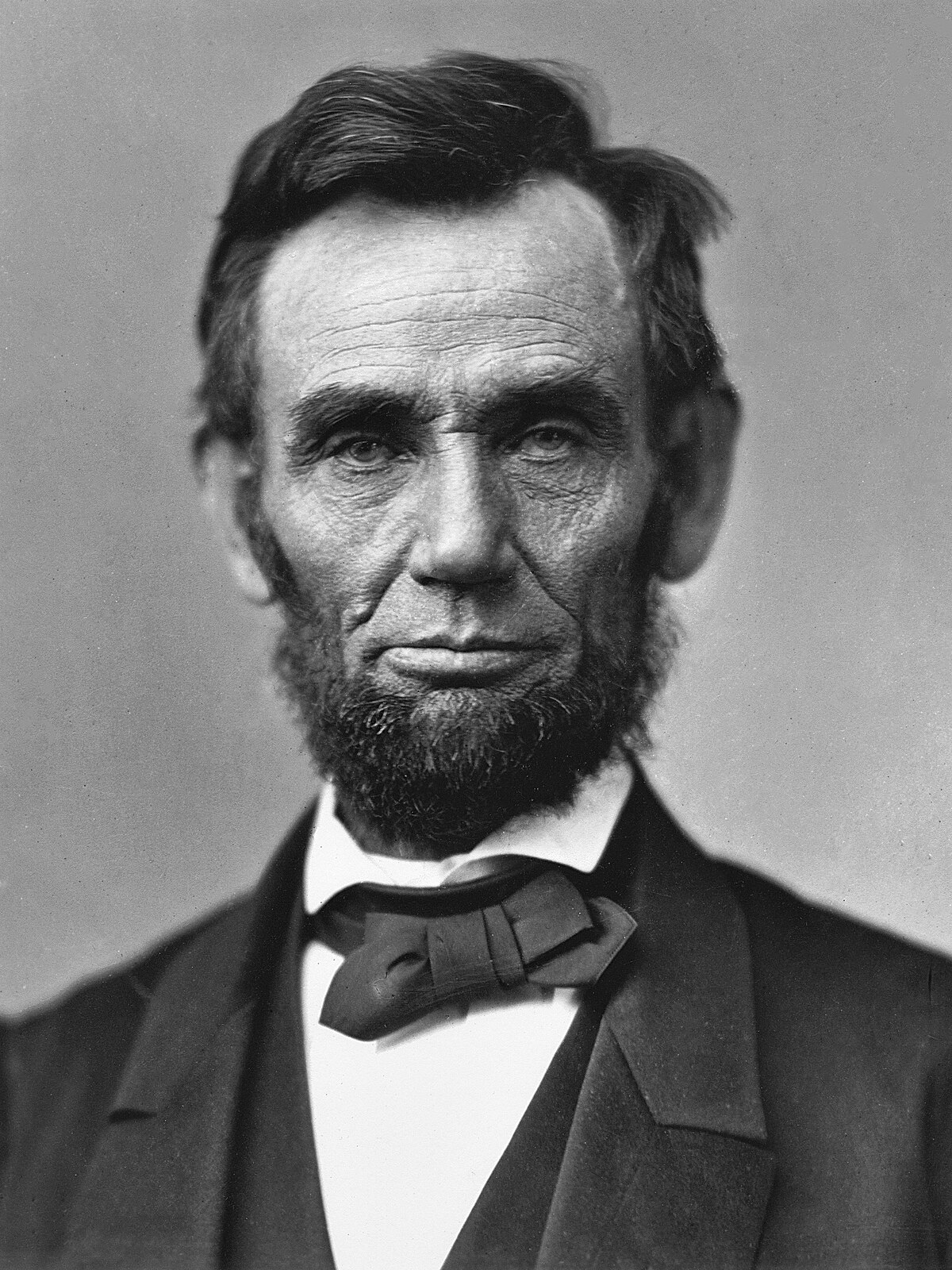
    On September 22, 1862, President Abraham Lincoln would announce the forthcoming Emancipation Proclamation. This proclamation declared that, if the Confederate states did not cease fighting and return to the Union by January 1, 1863, all enslaved people within those states would be freed. It was a crucial step in the Civil War, signaling a shift towards the abolition of slavery as a central goal of the Union effort. Effective on January 1st, 1863, President Lincoln declared

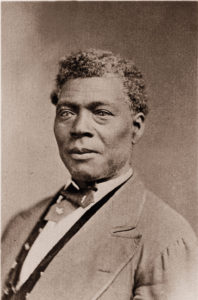
    Archer Alexander (Missouri Historical Society Collection)

    Missouri was a slave state that had never officially declared secession from the Union. Those enslaved in Missouri would hear of the news, and know that it did not apply to them because they were a “border State”. In 1863, Archer Alexander (1806-1880) an enslaved man who had been born in Virginia, and brought to Missouri in 1829, would heroically step forward and risk his life to inform the Union troops of a plot to destroy a nearby railroad bridge. Afterwards he would be forced to flee at the Howell’s Ferry Landing on the Underground Railroad, and nearly die because of it. In September of 1863, he would be given his freedom, for his important services to the Military. He had been helped by an abolitionist named Rev. William Greenleaf Eliot who lived in St. Louis Missouri.

    It would not be until January 11, 1865, that the State of Missouri would amend its Constitution and declare all persons held as slaves within its borders were free. The Civil War would end that spring. Then, on April 14, 1865, President Abraham Lincoln was murdered, by a Confederate assassin because of his actions to emancipate the enslaved. When the news of Lincoln’s death reached those who had been given their freedom because of this man’s actions, they were devastated, and a formerly enslaved woman named Charlotte Scott proclaimed that the “colored people had lost the best friend they ever had.” Sadly, it would not be until that following June 19th, that the U.S. Military would arrive in Texas and those that had been freed there were even told of what Lincoln had done! Today we celebrate that day as JUNETEENTH.

    It would be eleven years later, that on that same date of his assassination before a Memorial would be raised in our Nation’s Capitol to President Lincoln. The Freedom Memorial, often referred to today as the Emancipation Memorial, was the first Memorial to Lincoln to be erected by all of the formerly enslaved in Washington, D.C. . That Memorial still stands today, a National Landmark in a National Park. There with him is a Missouri man named Archer Alexander, who rises to greet his future of freedom. He has worked a life of toil, and has broken his own chains through his own actions, but because of Lincoln and his sincere belief that

    “A house divided against itself cannot stand. I believe this government cannot endure, permanently half slave and half free”

    that all future generations will now and forever be free to celebrate Juneteenth!

    Archer Alexander is on the National Underground Railroad Network to Freedom. For more information about Archer Alexander see https://archeralexander.blog/

    To read more blogs like this one you can subscribe here

  • The Underground Railroad

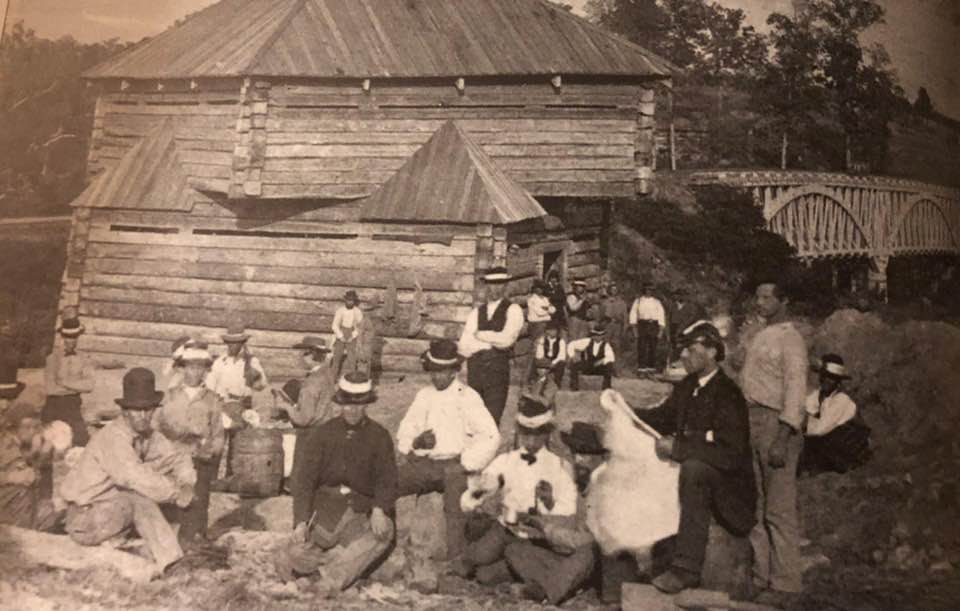
    In 1863, Archer Alexander was the enslaved property of Richard Hickman Pitman of Cottleville, while his wife Louisa, lived further west at Naylor’s Store on the Boone’s Lick Road in Dardenne Prairie, enslaved by James Naylor. They were a married couple who had been split up, but Archer was always given Sundays to visit his wife. One evening, as he went to visit Louisa, Archer overheard a meeting of the area’s Confederates planning an attack on the nearby wooden trestle of the Peruque Creek Bridge. The railroad bridge spanned a huge gorge where the small river ran through the rocky bottom of it. The Union forces had built a stockade fort just to the west to guard it from just such attacks. The Confederates had been working at sawing the bridge’s timbers for weeks, and had guns and ammunition stockpiled in the ice house at Captain Campbell’s (the former Alexander home in Dardenne Prairie) for use when the bridge collapsed. Archer, sensing the danger was imminent ran five miles to the Peruque Creek Fort, in the dark on a winter’s night, in order to warn the troops. The North Missouri Railroad was a vital link, carrying troops and supplies for the Union forces during the Civil War. He saved countless lives that night.

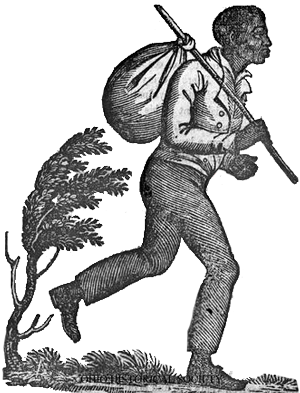
    It wasn’t long though, before suspicion of Archer being the informant began. Fearing for his life, Archer fled on the Underground Railroad, following a route that crossed the Missouri River at Howell’s Ferry. He had fallen in with sixteen other men, close friends from Dardenne Prairie, enslaved men from McCluer, Bates, Pitman and other plantations who were also crossing the river that same night. They were using a boat left for them by a prominent white man, long suspicioned for his abolitionist activities near the Ferry Landing. The town of Howell, and the Ferry Landing, was on the north side of the river, and owned by Thomas Howell, whose families had come with the Boone, several generations before.

    On the south side of the river, the land was marshy, and connected to what had originally been called the old Bonhomme Road, later the St Louis Plank Road, and when that failed, simply became Olive Street Road as it connected there in the City. It was a well used farm to market road, that connected towns like Bellefontaine, Gumbo, and Centaur to St. Louis and the Mississippi Riverfront. But this was also a network to freedom, where one could find safety in hidden rooms, cellars and attics. Area slaveowners realized what had happened and captured all of the men, including Archer, and alerted their enslavers. The Slave Patrol celebrated their success that night at a Tavern while waiting for those they considered their rightful owners to retrieve their property, as they would be rewarded for their efforts. However, in the early predawn hours, Archer managed to slip away and escape the Patrol and continue his journey to freedom. The sad fate of those who were returned, is unknown, but the punishment for trying to escape was always severe.

    When he reached the outlying border of the city, Archer went to a German butcher shop where he knew it safe to share who he was. Soon, the wife of a prominent Unitarian minister named William Greenleaf Eliot, who lived nearby, arrived for Archer. Taking him to her home nearby, Archer thought he had met an angel, and that he was safe. Or so he thought. When Eliot contacted Pitman, wanting to purchase Archer and emancipate him, Pitman sent men to Eliot’s home to retrieve “the property” that Pitman considered was rightfully his. Archer was considered a “fugitive slave” by the 1850 law, but as Missouri was under Military Law, and with an Order of Protection from the Provost Marshall Archer was to remain under Eliot’s care.

    Pitman was arrested, and Archer was returned to Eliot to await a military hearing. That September on the 24th, Archer Alexander was given his FREEDOM for his services to the Union Military Forces and because of his enslaver’s treasonous actions. Archer Alexander was emancipated!

    Archer Alexander died in 1880 and is buried at St. Peter’s U.C.C. Cemetery on Lucas and Hunt in Normandy. His burial site is on the National Underground Railroad Network to Freedom, a program of the National Park Service under the Department of the Interior. It is among eight other such sites in the St. Louis area. For more about the National Underground Railroad Network to Freedom see https://www.nps.gov/orgs/1205/index.htm

    For more about Archer Alexander see the blog https://archeralexander.blog/

    For more stories about St. Charles County like this subscribe to my blog: