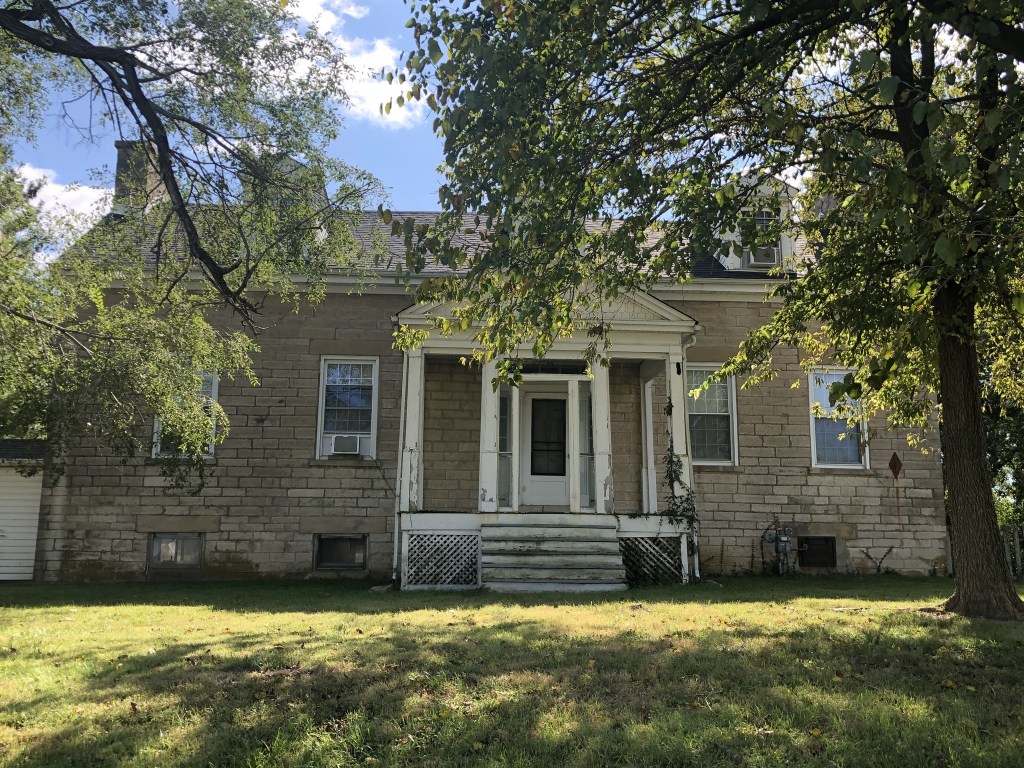
In October of 1829, four families from Rockbridge County Virginia, would come to settle on Dardenne Prairie with over two dozen enslaved people. They had left in August, and would be led by a young attorney named William Campbell (1805-1849) whose journal stated
My own object in going to that remote section of the Union was to seek a place where I might obtain an honest livelihood by the practice of law.
In his journal, he tells the story
The first family is that of Dr. McCluer, his wife (my sister) and five children from six months to thirteen years old and fourteen negro servants. Two young men, McNutt and Cummings, and myself form a part of the traveling family of Dr. McCluer. Dr. McCluer leaves a lucrative practice and proposes settling himself in St. Charles County Missouri on a fine farm which he has purchased about 36 miles from St. Louis. The second family is that of James H. Alexander, who married a sister of Dr. McCluer, with five children and seven negro slaves. Intends farming in Missouri. Third family, James Wilson, a young man who is to be married this night to a pretty young girl and start off in four days to live one thousand miles from her parents. He has four or five negroes. Fourth family, Jacob Icenhoward, an honest, poor, industrious Dutchman with several children and a very aged father in law whom he is taking at great trouble to Missouri, to keep him from becoming a county charge. He has labored his life time here and made nothing more than a subsistence and has determined to go to a country where the substantial comforts of life are more abundant.
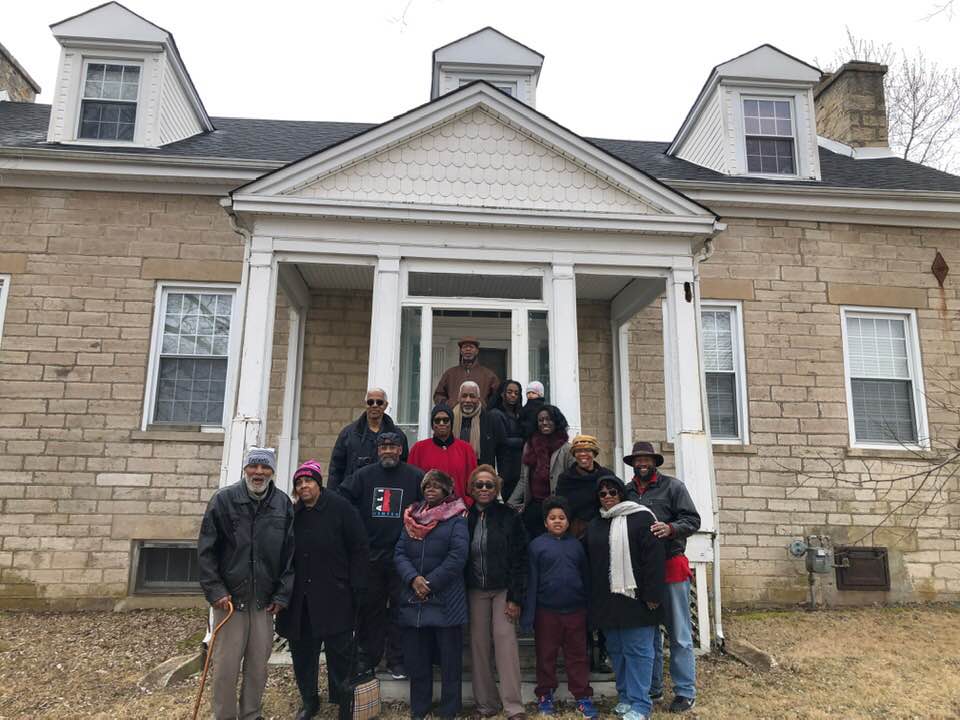
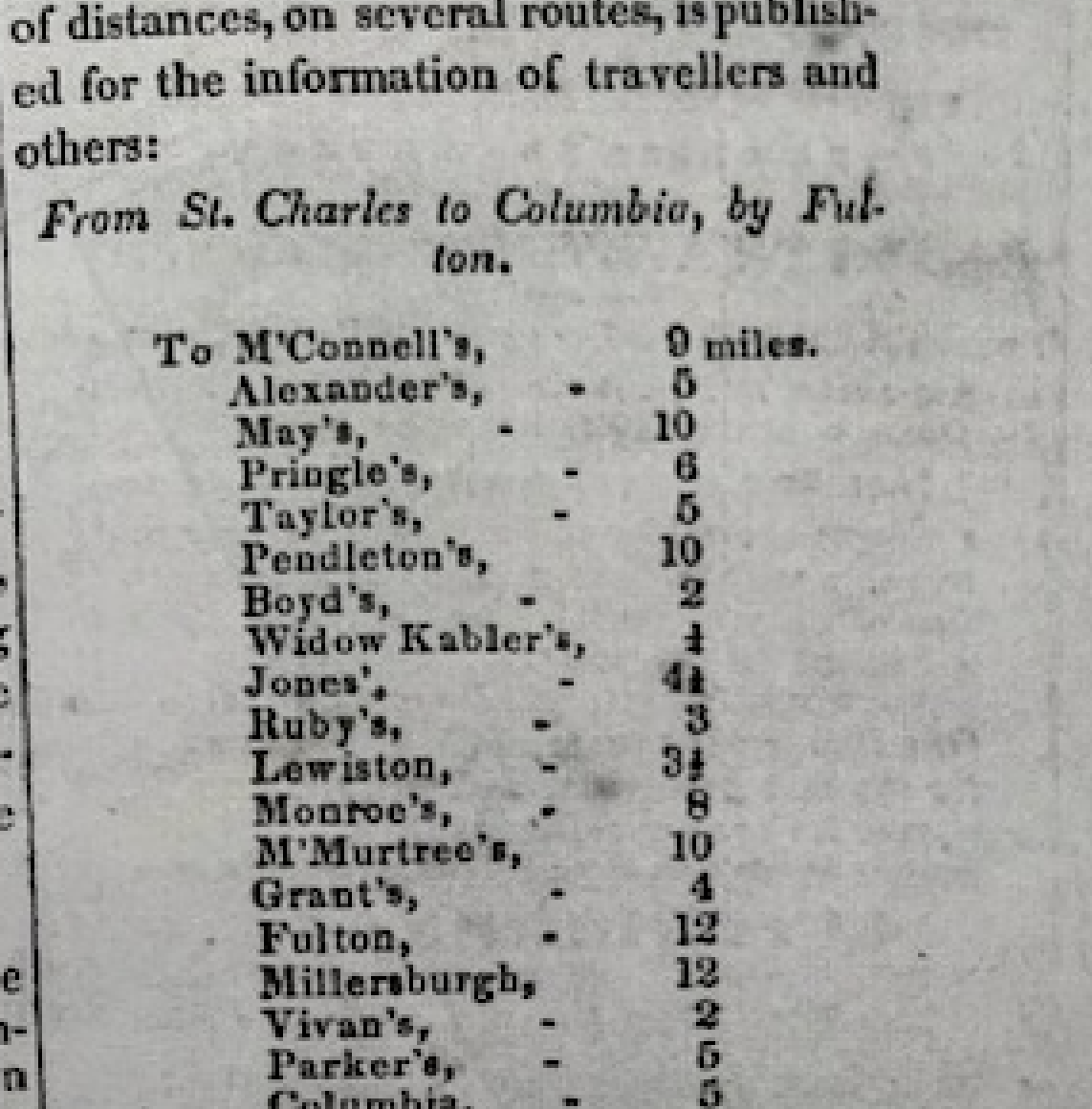
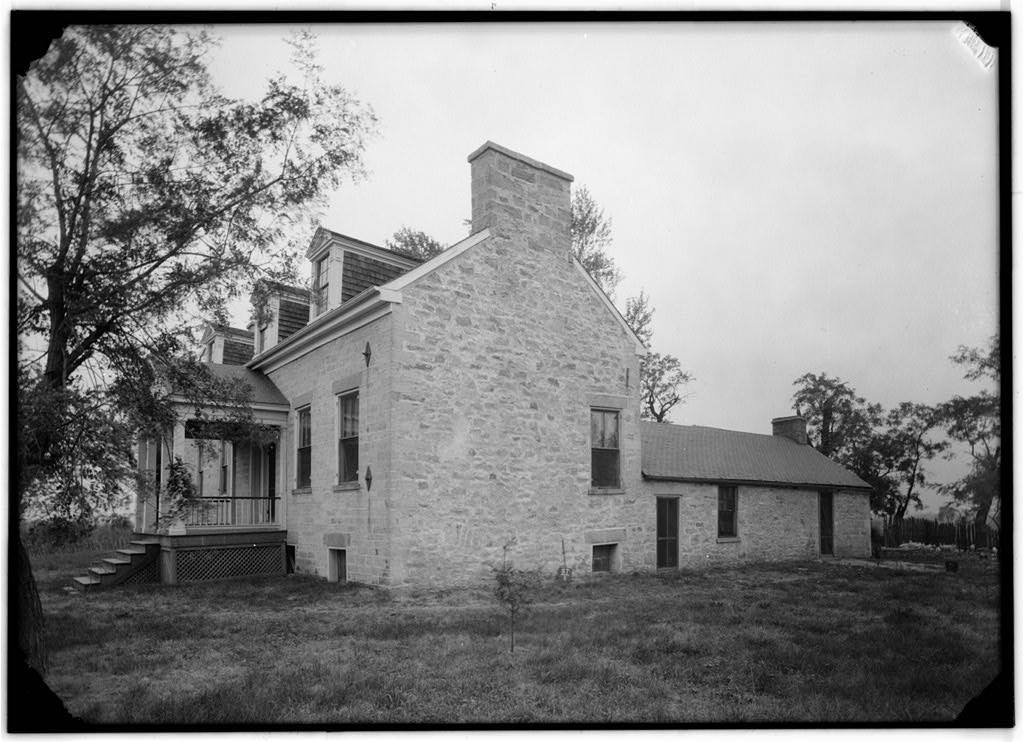
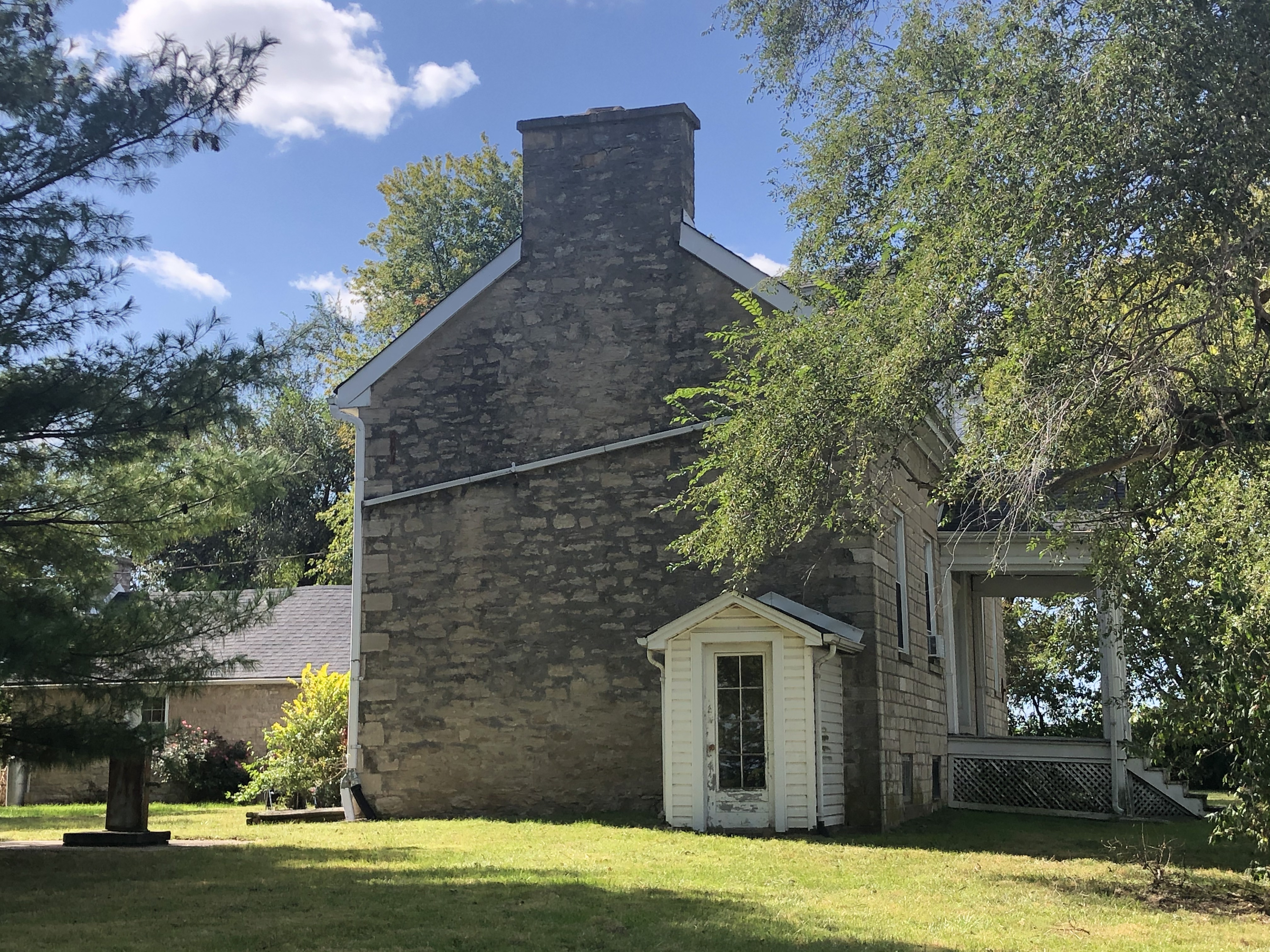
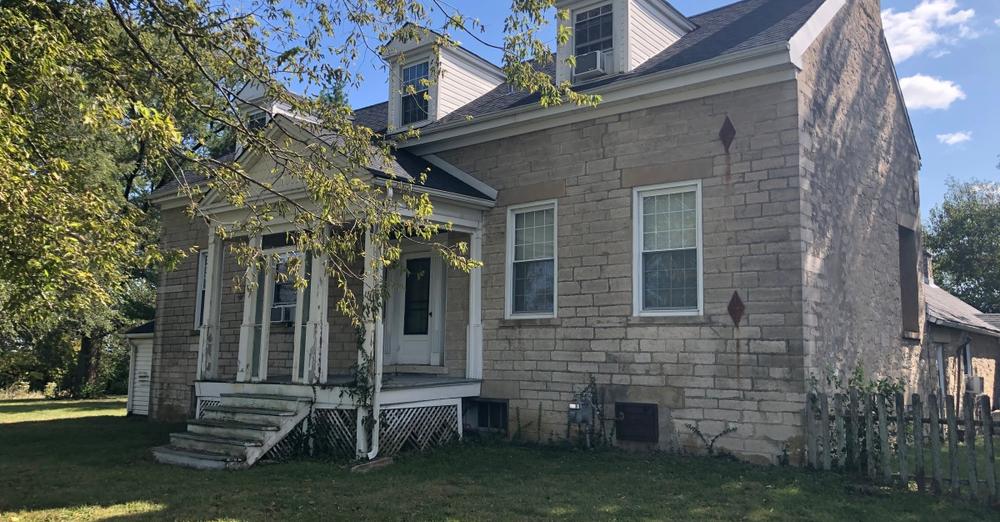
William Campbell’s cousin, James H. Alexander (1789-1835), purchases land in St. Charles County, near today’s intersection of Hwy K and Hwy N – which is the Boone’s Lick Road. He chose this location on purpose because of the road, and it being a major thouroughfare. His enslaved are put to work following the instructions of professional stone masons that have come from Ireland. When the house is complete, James Alexander applies to be postmaster and establishes his house as a stagecoach stop on the Boone’s Lick Road!
However, as fate would have it, Cholera is sweeping the countryside, and on the 4th of September, 1835 James Alexander dies leaving four children, ages 13, 11, 9 and seven years old behind. They are sent back to Virginia to live with relatives who will be their Guardians. Alexander’s will states that his plantation and his enslaved are not to be sold, and to be leased out and all the profits used for the benefits of his children.
His enslaved include Archer Alexander (1806-1880) Louisa his wife (1810-1865) , her sister, her mother, and their children. In the Probate files Louisa’s seven children and their values are listed as 1) Eliza $325, 2) Mary Ann $300, 3) Archer $225, 4) James $200, 5) Alexander $175, 6) Lucinda $150, and 7) John $125. The estate would continue to be administered by William Campbell until his death, and the children reached maturity. At that point, the enslaved were sold, with Archer Alexander going to David Hickman Pitman, and Louisa and what was left of her children becoming the property of James Naylor, further west on the Boone’s Lick Road.
In 1863, Archer Alexander was visiting his wife Louisa at Naylor’s Store where he heard a regularly held meeting of the area Confederates plotting to take down the North Missouri Railroad Bridge over Peruque Creek. They had stored guns and ammunition in the ice house on the old Alexander place, which was now owned by Captain Campbell. Knowing what this meant, Archer would make his way to the Peruque Creek Fort manned by the Union Army’s Home Guards, to warn them. When suspicion fell on Archer as the informant, he had to flee via the Underground Railroad, to St. Louis. He and 16 other men from the Dardenne Prairie, including some who were owned by the McCluer and Bates family, fled south and crossed the Missouri River at Howell’s Ferry.
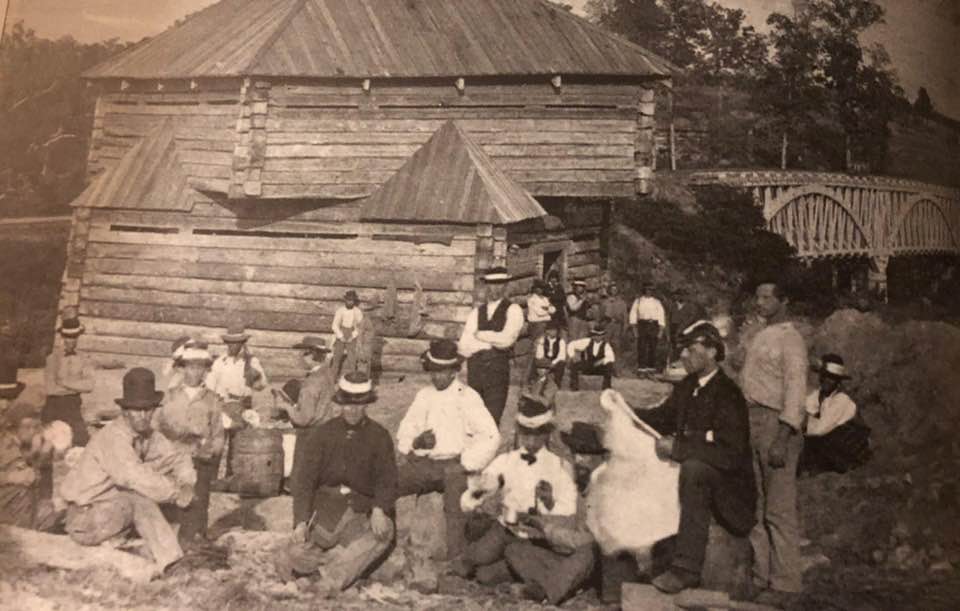
The Howell’s Ferry Crossing was where the town of Howell was before the 1941 demolition for the TNT plant. Near there was also the town of Hamburg that had been founded in 1834 by German immigrants. Today this is the Hwy 40/64 Bridge. The crossing, which had been used by freedom seekers for years, led to a river landing originally called Bonhomme. This was the ending of the twenty mile long Olive Street Road, which was the shortest route between the Missouri River and the Mississippi River. For more about Archer Alexander see the archeralexander.blog or his facebook page. Archer Alexander is the emancipated man seen rising on the Emancipation Memorial to Lincoln by the formerly enslaved in Washington, D.C. and the great great great grandfather of Muhammad Ali.
Sources: The Campbell Journal from the Rockbridge Historical Society, and the Washington and Lee University in Lexington, Virginia.
Probate files from the Missouri State Archives
SUBSCRIBE TO THE FREE BLOG STCHARLESCOUNTYHISTORY.ORG BY DORRIS KEEVEN-FRANKE AND RECEIVE A DAILY DOSE OF HISTORY
 ST. CHARLES COUNTY HISTORY
You must be logged in to post a comment.